

 Search
How to Choose the Right Retail Scale
Why Choosing the Right Retail Scale Matters
In retail, wholesale, and warehouse operations, a weighing scale is more than just a measurement tool—it directly impacts:
- Transaction accuracy (prevent pricing disputes)
- Operational efficiency (faster checkout and fulfillment)
- Cost control (reduce errors and product loss)
Choosing the wrong scale can lead to:
- Incorrect pricing and customer complaints
- Equipment damage from overload
- Non-compliance with legal-for-trade regulations
- Inefficient workflows and increased labor costs
In short, selecting the right commercial scale is a critical business decision, not just a purchase.
Types of Retail Scales and Their Applications
Different industries require different weighing solutions. Below are the most common types:
-
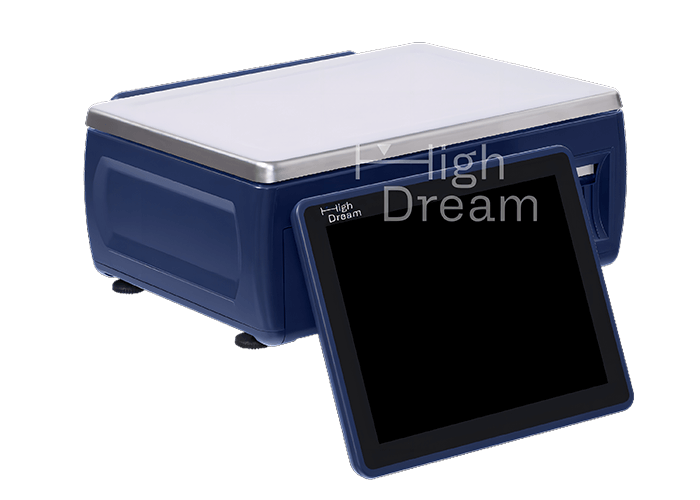
Counter Top Scale
Best for:
- Supermarkets
- Retail stores
- Food businesses
Key Features:
- Full touchscreen with color display, simple and intuitive to operate
- Sensitive and precise measurement, suitable for a wide range of products
- TFT screen with oil and water resistance, adaptable to various usage environments
- Different models and printing modes available to meet diverse needs
Ideal for fast-paced retail environments where accuracy and speed are essential.
-
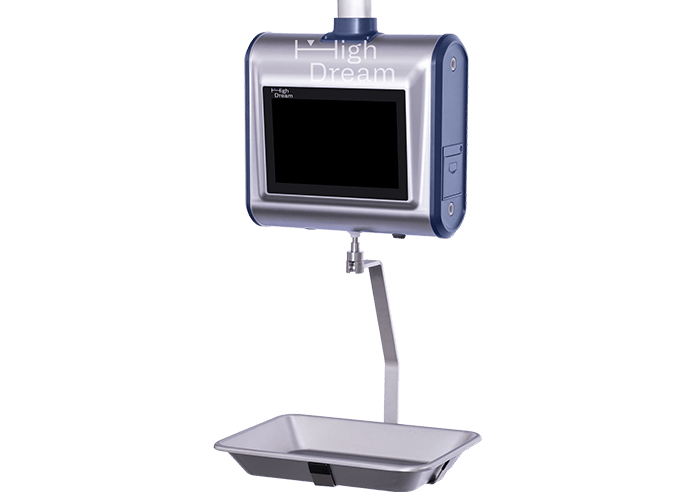
Hanging Scale
Best for:
- Seafood markets
- Traditional markets
- Warehouses and logistics
Key Features:
- Full touchscreen with color display, simple and intuitive operation
- TFT screen with oil and water resistance, suitable for wet and humid environments
- Sensitive and precise measurement, suitable for a wide range of products
- Equipped with AI recognition to further improve checkout efficiency
- Ergonomic screen angle for user comfort
- Multiple models and printing modes available to meet different needs
- Streamlined design that combines functionality and aesthetics
Perfect when floor space is limited or items are difficult to place on a platform.
-
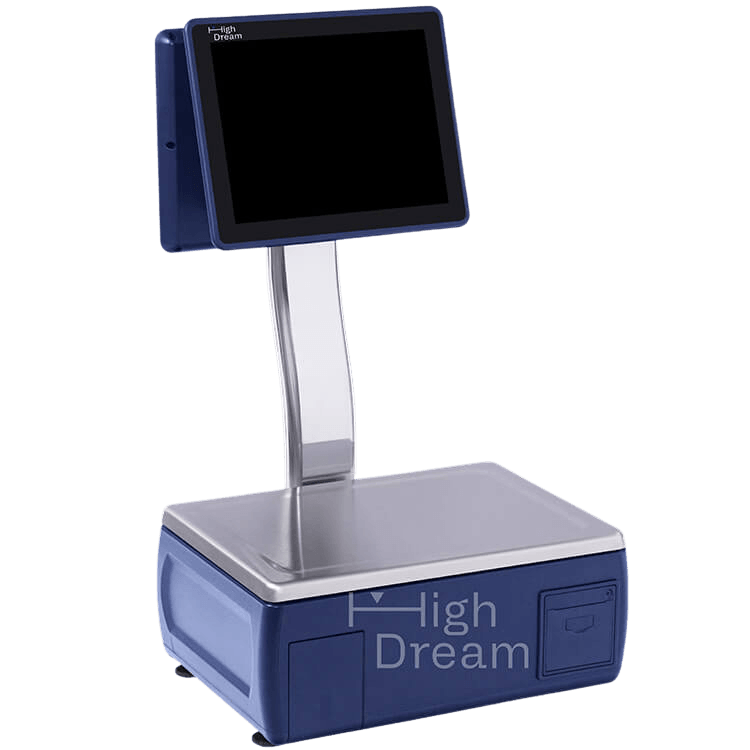
Counter Scale
Best for:
- Wholesale markets
- Agricultural trading
- Retail counters
Key Features:
- Full touchscreen with color display, simple and intuitive operation
- TFT screen with oil and water resistance, suitable for wet and humid environments
- Sensitive and precise measurement, suitable for a wide range of products
- Equipped with AI recognition to further improve checkout efficiency
- Ergonomic screen angle for user comfort
- Multiple models and printing modes available to meet different needs
- Streamlined design that combines functionality and aesthetics
A great balance between visibility and usability in retail and wholesale setups.
-
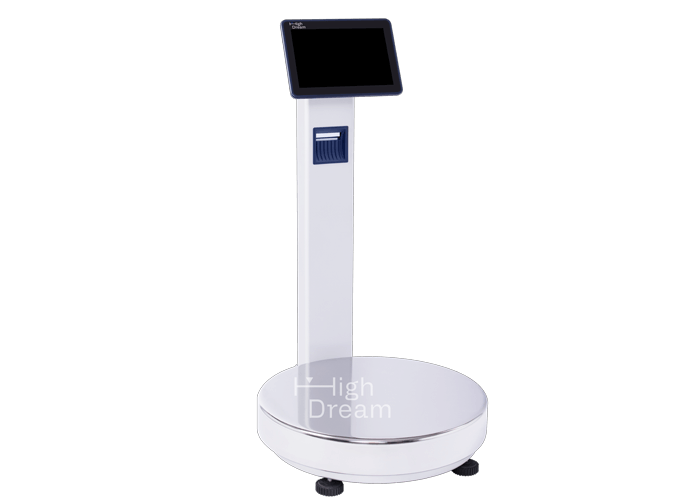
Platform Scale
Best for:
- Warehouses
- Factories
- Logistics centers
Key Features:
- High weight capacity
- Designed for pallets and bulk goods
- Can integrate with WMS / ERP systems
Essential for heavy-duty industrial applications.
How to Choose the Right Retail Scale (Step-by-Step)
To avoid costly mistakes, follow this selection process:
-
Define Your Weight Range
- What is the minimum and maximum weight you handle?
- Avoid overpaying for unnecessary capacity.
-
Determine Required Accuracy
- Retail → high precision (e.g., 0.1g–1g)
- Warehouse → prioritize capacity over ultra-high precision
-
Check Legal Compliance
If you sell products by weight, you may need:
- Legal-for-trade certification
- OIML or local regulatory approval
- Non-compliant scales can result in fines or business restrictions.
-
Evaluate Your Workflow
Ask yourself:
- Do you need price labeling?
- Do you integrate with POS / ERP systems?
- Do you need automation (packing & labeling)?
-
Consider the Working Environment
Environmental factors can affect performance:
- High humidity → require waterproof design
- Dust → need sealed structure
- Uneven floors → need stability compensation
- Needs fast checkout → price computing scale
- Requires labeling → integrated label printer
- High SKU turnover → POS integration
- High humidity → waterproof hanging scale
- Limited space → suspended setup
- Fast transactions → simple interface
- Heavy pallets → platform scale
- Need data tracking → ERP/WMS integration
- High volume → durability is critical
- Semi-automatic weighing & labeling systems
- Fully automated packaging lines
- Reduce manual labor
- Minimize human error
- Increase throughput
- Contact Us for Customized Recommendations
- Explore Our Retail Weighing & Packaging Solutions
Industry Use Cases (Real Scenarios)
Example 1: Supermarket
Example 2: Seafood Market
Example 3: Warehouse / Logistics Center
Advanced Integration: Improve Efficiency with Automation
If your operation involves packaging or high volume, consider:
Benefits:
Need Help Choosing the Right Scale?
If you are evaluating Retail weighing or packaging solutions, start by identifying your operational needs.
Let us help you build a more accurate, efficient, and scalable weighing process.
Your Business.