

 Search
How to Choose the Right Weighing and Labeling Machine to Elevate Fresh Food Packaging
Make Fresh Food Operations Faster, More Accurate, and More Profitable with Superior Shelf Appeal
Fresh food retailers, supermarket managers, and meat processing facilities face growing pressure to streamline operations, reduce labor costs, and maintain absolute food labeling compliance. In a fast-paced retail environment, outdated packaging workflows not only create bottlenecks at the backroom but also lead to costly pricing errors and excess product giveaway.
Choosing the right weighing and labeling solution is one of the most critical operational investments you can make. An optimized system accelerates your packaging throughput, enhances food traceability, and ensures a professional presentation that builds consumer trust.
This comprehensive buyer's guide explains what to consider before investing in a fresh food weighing, wrapping, and labeling machine, helping you select the ideal equipment to scale your retail operation.
Why Upgrading Your Weighing and Labeling System Matters
Many grocery stores and butcher shops still rely on manual tray wrapping and standalone price-computing scales. While this setup may work for low-volume businesses, it quickly creates operational challenges as your business grows:
- Slower Backroom Workflows: Manual wrapping and separate scale operations delay inventory throughput during peak hours.
- Inconsistent Labeling & Packaging: Human error often results in loose film seals, misaligned price tags, or incorrect tare weights.
- Profit Margin Erosion: Inaccurate weighing scales directly cause product giveaway, quietly eating into your profit margins over time.
- Traceability & Regulatory Risks: Failing to clearly display production dates, allergen warnings, or origin data can result in compliance fines or product recalls.
A modern, automated weighing and labeling solution addresses these friction points by uniting accurate weighing, stretch film wrapping, and high-speed label printing into a seamless process.
5 Critical Factors to Consider Before Buying a Weighing and Labeling Solution
To choose the right equipment for your retail backroom or food packaging facility, evaluate the following five core requirements:
-
Packaging Format & Film Compatibility
Different fresh food items—such as fresh meat, seafood, poultry, or organic produce—require specific tray sizes and wrapping film types.
- Ensure the machine supports versatile tray materials (e.g., EPS, PP, PET, or biodegradable trays).
- Check film compatibility (such as PVC or PE stretch film) to guarantee tight, professional sealing that prevents leaks, retains freshness, and extends product shelf life on supermarket shelves.
-
Labeling Compliance & Customization Capabilities
Modern food labeling is no longer just about printing the price and weight. Compliance standards (such as FDA regulations, EU allergen directives, and GS1 barcode standards) require comprehensive product transparency.
- Look for a solution with customizable label formats and high-resolution thermal transfer or direct thermal printers.
- Ensure your system can print essential data clearly: gross/net weight, unit price, total price, packed date, expiration date, ingredients, allergen bolding, nutritional panels, and 1D/2D barcodes (such as QR codes for farm-to-fork traceability).
-
System Integration & POS/ERP Connectivity
Standalone equipment creates data silos. To optimize inventory management and pricing updates, your weighing and labeling solution should integrate into your broader digital ecosystem.
- Check if the scale software supports Wi-Fi or industrial communication protocols.
- Seamless integration with your store’s POS system, ERP software, or central PLU database enables automatic price updates, reduces manual data entry, and ensures accurate sales tracking across multiple store locations.
-
Footprint, Ergonomics, and Scalability
Space is a premium in supermarket backrooms and fresh food processing rooms.
- Measure your available floor space and workflow route before selecting equipment.
- Opt for a compact, all-in-one design that combines weighing, wrapping, and labeling to minimize floor footprint.
- Look for user-friendly features like multi-lingual touchscreen interfaces and easy film-loading mechanisms, which shorten the learning curve for staff and reduce training costs.
-
Supplier Reliability and After-Sales Support
Machine downtime in a fresh food business directly impacts shelf availability and revenue.
- Partner with an established equipment manufacturer that offers reliable technical support, accessible spare parts, and routine maintenance programs.
- Robust after-sales service maximizes machine uptime and ensures long-term operational efficiency.
See an Integrated Weighing, Wrapping, and Labeling Solution in Action
Watch how combining these three essential steps into one automated workflow eliminates backroom bottlenecks and boosts daily throughput:
A Smarter Solution for Fresh Food Packaging
Instead of maintaining separate scales, manual tray wrappers, and standalone label printers, forward-thinking retailers are switching to all-in-one automation.
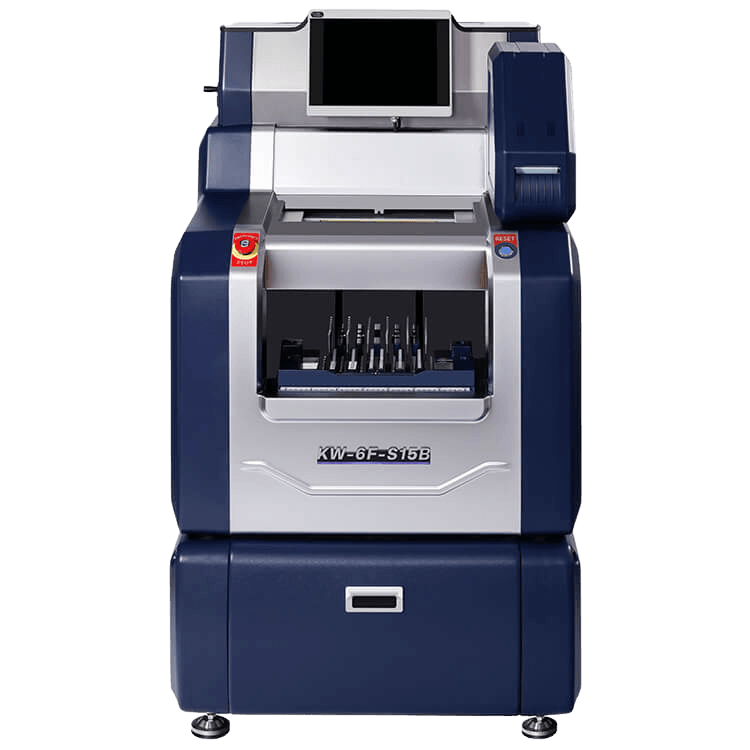
Highdream WrapDude is an integrated semi-automatic weighing, wrapping, and labeling machine specifically engineered for supermarket backrooms, butcher shops, seafood markets, and central processing kitchens.
Key Benefits of WrapDude:
- All-in-One Efficiency: Integrates high-precision weighing, tray stretch wrapping, and automatic label printing into a single compact footprint.
- Consistent Packaging Quality: Delivers tight, professional film wrapping that protects food freshness and improves shelf appeal.
- Intuitive Operation: Features an easy-to-use touchscreen interface with customizable PLU presets, minimizing staff operation errors.
- Flexible Application: Easily accommodates a wide range of standard food trays, making it ideal for meat cuts, poultry, cheese, and produce.
By streamlining three vital steps into one unified system, WrapDude reduces labor dependence, improves packaging accuracy, and accelerates daily fresh food output.
Frequently Asked Questions
-
How do I choose the right weighing and labeling machine for my business?
The right solution depends on your daily packaging volume, product types, tray sizes, labeling requirements, and available workspace. Businesses with higher production demands often benefit from integrated weighing, wrapping, and labeling systems that reduce manual handling while improving packaging consistency and operational efficiency.
-
Can one weighing and labeling machine handle different tray sizes and food products?
Yes. Most modern weighing and labeling solutions are designed to support multiple tray sizes and various fresh food products, including meat, poultry, seafood, cheese, produce, and ready meals. Choosing a machine with flexible tray compatibility allows retailers to package different products without changing equipment.
-
What information should a fresh food label include?
A compliant fresh food label typically includes product name, weight, unit price, total price, packed date, expiration or use-by date, barcode, and any required allergen or traceability information. Labeling requirements may vary depending on local food regulations, so businesses should ensure their equipment supports customizable label formats.
-
Can weighing and labeling machines connect with POS or ERP systems?
Many modern weighing and labeling solutions support integration with POS systems, ERP software, or centralized product databases. This allows businesses to synchronize pricing, product information, and label data automatically, reducing manual input and improving inventory management.
-
What are the benefits of an integrated weighing, wrapping, and labeling system?
An integrated system combines weighing, tray wrapping, and label printing into a single workflow. This reduces repetitive manual operations, improves weighing accuracy, enhances packaging consistency, supports food traceability, and helps retailers package products more efficiently during busy operating hours.
Ready to Upgrade Your Fresh Food Packaging Process?
Whether you are upgrading a supermarket chain backroom, expanding a regional butchery, or optimizing a centralized food distribution center, choosing the right weighing and labeling partner is key to sustained operational success.
Contact us to discuss your packaging requirements, request a tailored equipment quote, or schedule a product demonstration.
Your Business.