

 Search
From Farm Gate to Supermarket Shelf: How Fresh Produce Automation Solves Supermarket Backroom Bottlenecks
The autumn produce rush: When local harvests flood supermarkets with diverse fruits and vegetables. When seasonal volume surges hit, traditional manual backrooms often fail to keep pace, struggling with labor shortages, pricing errors, and the relentless pressure of keeping retail shelves stocked.
To overcome these challenges, modern fresh food retailers must look closely at how automated packaging workflows transform backroom efficiency and protect profit margins.
1. The Hidden Bottlenecks of Manual Fresh Produce Packaging in Retail Backrooms
In many traditional supermarket backrooms, preparation workflows suffer from manual inefficiencies and data disconnects:
- The Manual Processing Trap: Forcing workers to weigh items on one standalone scale, walk to a separate station for stretch film wrapping, and manually apply price-computing labels creates unnecessary delays during peak operating hours.
2. Retail Backroom Packaging vs. Industrial Bulk Processing: Understanding the Difference
Supply Chain Positioning: Bulk Processing vs. Retail-Ready Packaging
Before scaling operations or investing in automation, it is crucial to recognize that fresh produce packaging logic depends entirely on where your business operates within the supply chain and how products reach the end consumer.
- Industrial Bulk Processing: Large-scale agricultural producers and regional collection hubs deal with high-volume, hardy crops (such as potatoes, onions, or citrus fruits). Their primary goal is massive throughput. These facilities typically rely on high-speed multihead combination scales to achieve rapid, automated bulk weighing and standardized pillow-bag packaging—you can explore our Highdream Fresh Produce Solutions tailored specifically for bulk weighing and packaging lines.
- At the Supermarket Backroom or Regional Retail Center: In contrast, retail operations serve consumers who demand immediate visual appeal. Retailers process individual consumer units—such as trays of tomatoes, berries, or bell peppers—where the packaging must display freshness and transparency. Here, equipment must prioritize space-saving footprints, instant product changeovers, and all-in-one retail-ready presentation rather than industrial bulk output.
For a deeper dive into evaluating equipment for retail environments, refer to this guide on how to choose the right weighing and labeling machine for fresh food packaging.
3. How All-in-One Automation Transforms the Produce Backroom
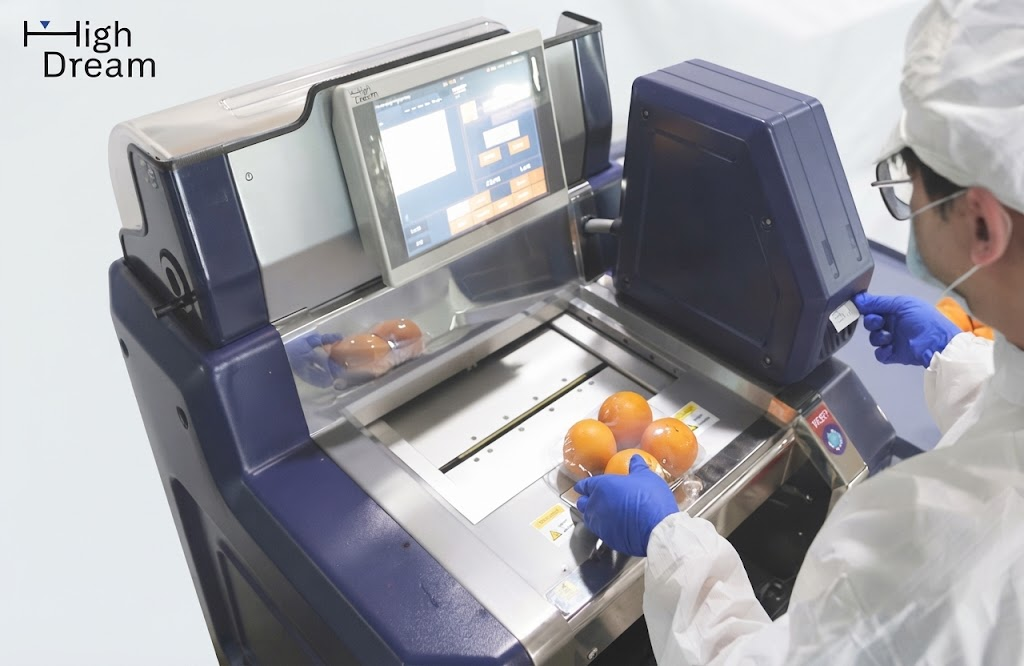
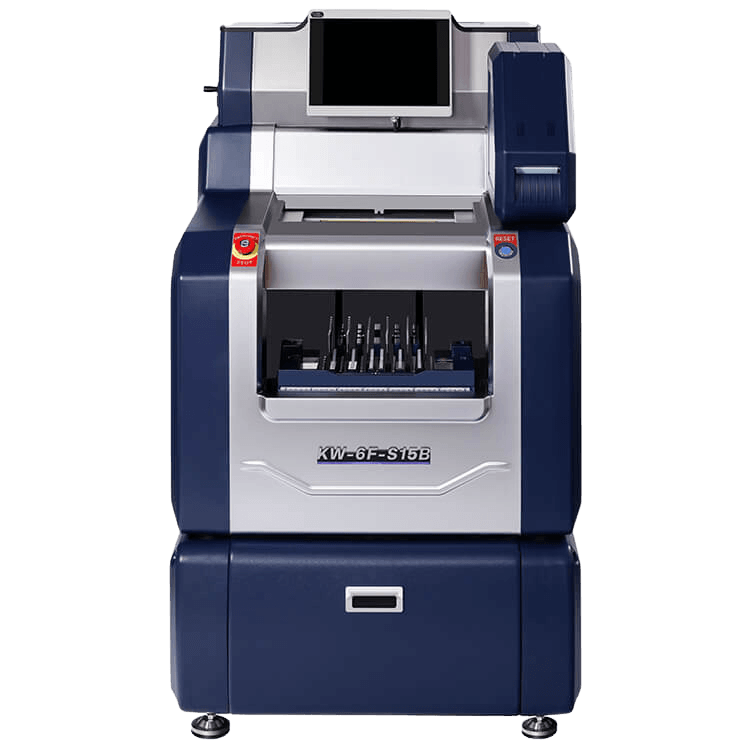
To eliminate backroom bottlenecks, automated Weigh-Wrap-Label (WWL) solutions—such as the Wrap Dude KW-6F—integrate multiple steps into a single, seamless operation:
- Synchronized Workflow: Instant dynamic weighing flows directly into tight stretch film wrapping and precise retail-ready labeling, completely removing the gaps between separate workstations.
- Streamlined Continuity: Shifting from a labor-dependent bottleneck to a continuous automated flow ensures that store staff can keep pace with daily shelf replenishment during peak harvest seasons.
Want to see how it completes weighing, wrapping, and labeling in under 3 seconds? Watch the live demonstration video below:
4. Tailoring Automation for Seasonal Produce Diversity (Berries, Greens, & Bulky Items)
Handling a wide variety of autumn fruits and vegetables requires specialized technological adjustments:
- Film Tension Optimization: Precise control over stretch film tension keeps produce tightly sealed and fresh while maximizing product visibility, ensuring that items look appealing to shoppers on the retail shelf.
- As emphasized by industry standards from the International Fresh Produce Association (IFPA), modern packaging systems ensure strict regulatory compliance by automatically linking accurate scale weights with dynamic, high-resolution barcode printing—crucial for food safety, allergen management, and end-to-end supply chain traceability in retail networks.
5. Frequently Asked Questions (FAQ)
FAQ1: How does an all-in-one packaging system handle sudden spikes in produce volume during harvest season?
A: Automated systems combine weighing, wrapping, and labeling into a continuous cycle, dramatically increasing throughput per minute and eliminating the backroom queues typical of manual operations.
FAQ2: What training is required for store staff to operate automated produce wrappers efficiently?
A: Modern retail packaging machines feature intuitive touchscreens and simplified user interfaces, allowing general store associates to master operation and daily maintenance with minimal training.
Your Business.